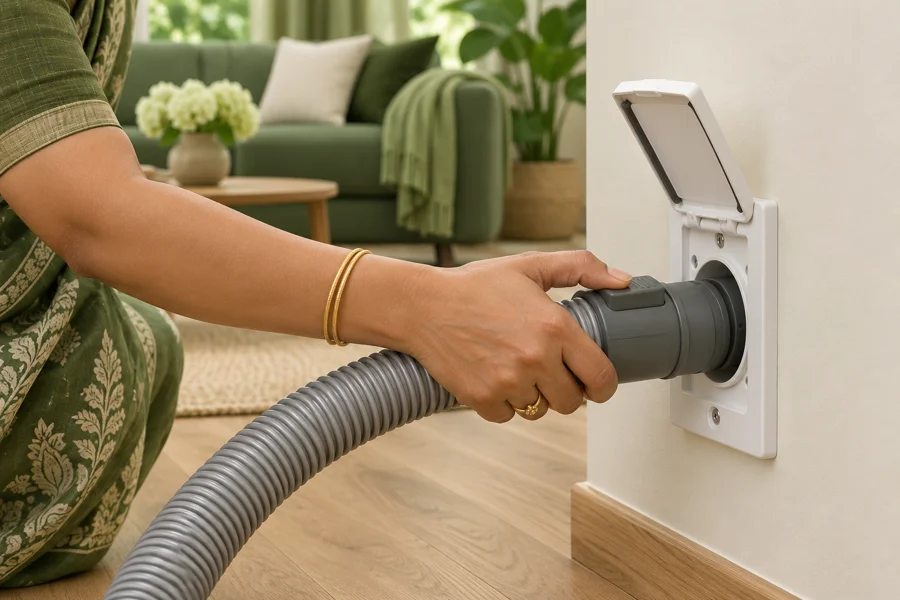
01 / CONNECT
Your wall inlet
Connect the cleaning hose at a convenient inlet. The main machine stays out of the room.

Benvek supplies and installs central vacuum systems for homes across India. A built-in vacuum cleaner connects wall inlets to a central power unit through fixed pipes, so you carry the hose instead of moving a portable machine between rooms. We plan the inlet positions, pipe routes and power-unit location around your home.
Designed and manufactured in North America.
Connect in the room. Collect away from it.
Three connected parts make central vacuum work.
Connect the cleaning hose at a convenient inlet. The main machine stays out of the room.
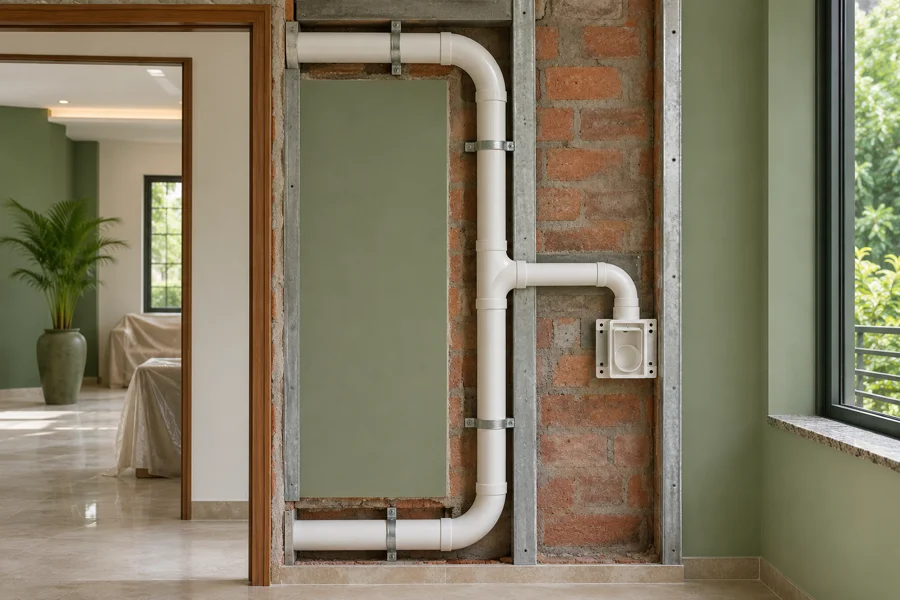
Vacuum-grade pipes carry collected dust and debris from the inlet to the central unit.
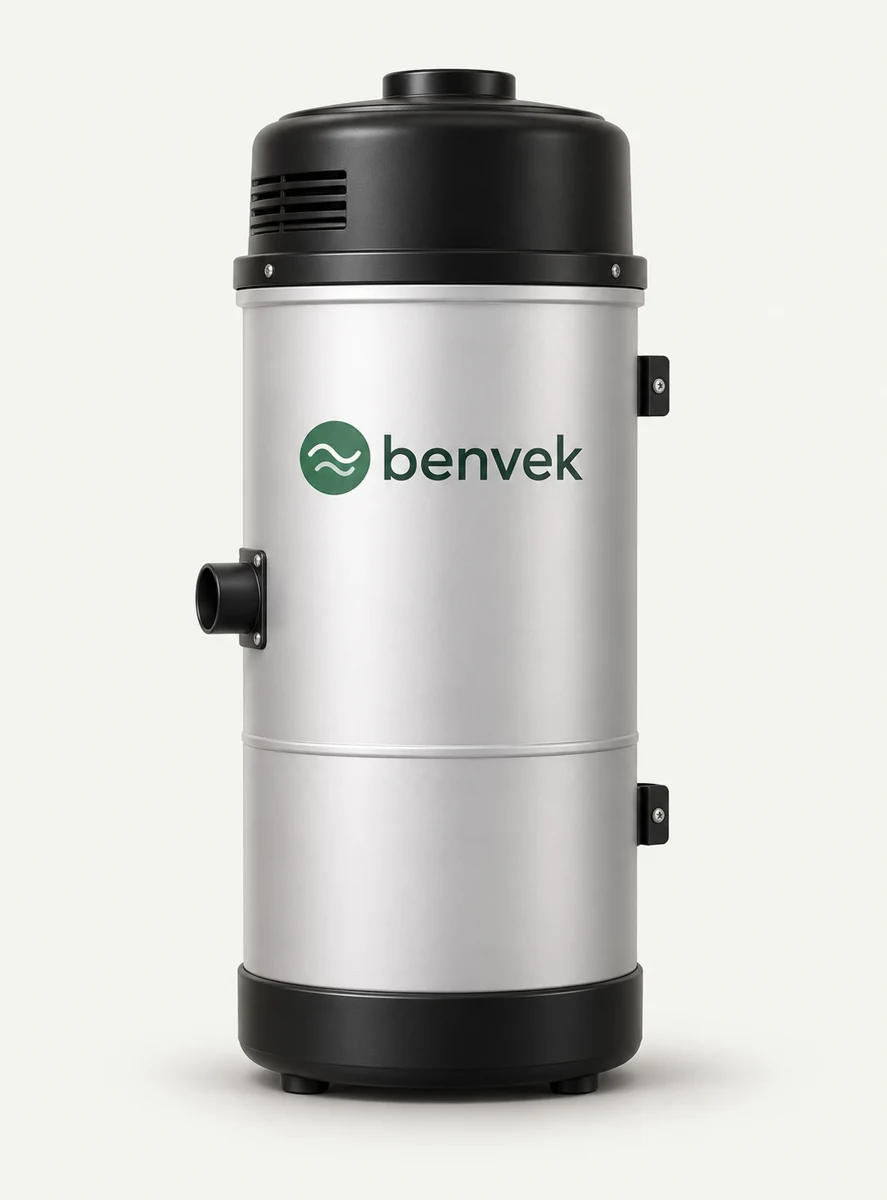
The motor and collection container sit in a planned utility or garage location, away from the rooms you clean.
Concept illustration, not an installation drawing. Pipe routes, inlet locations, power-unit selection and exhaust arrangements are confirmed for your property.
A central vacuum connects wall inlets to a collection unit through fixed pipes. A hose at an inlet carries dust and debris to that unit, usually located away from living rooms. The required unit, inlet count and pipe routes depend on the floor plan and cleaning needs.
More questions and answers →Central vacuum can serve homes and selected pet-care retail spaces, with a fixed pipe network and convenient cleaning points.
Plan cleaning points across floors, with the power unit in a service area.
Position inlets for practical hose reach throughout the home.
Check pipe routes, hose coverage and a suitable central-unit location.
Plan dry hair and debris collection with suitable tools and accessible maintenance.
Everyday mess happens everywhere. Plan convenient cleaning points around your rooms, with the power unit tucked away in a utility or garage.
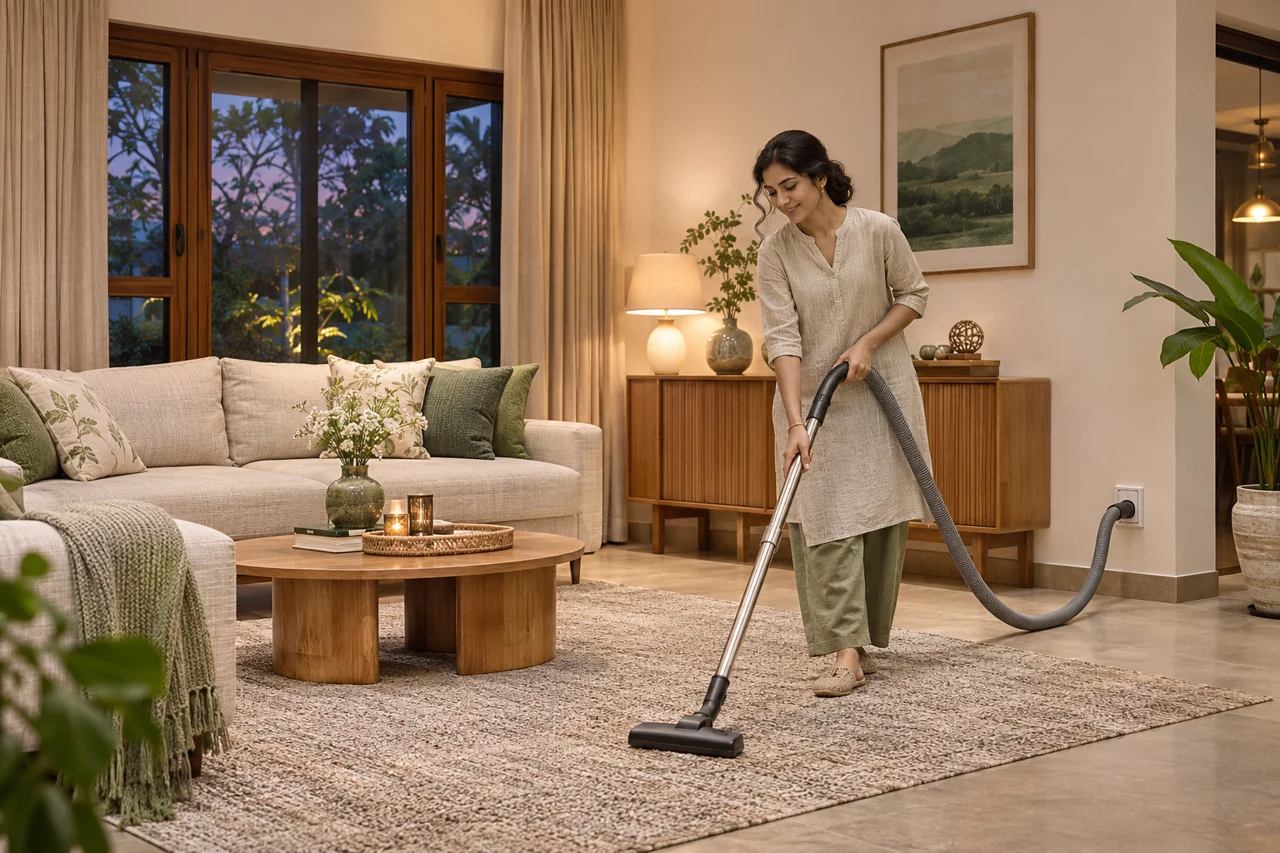
Connect the hose at a nearby inlet and clean floors, rugs and the spaces around your furniture. Use a floor brush suited to the surface.
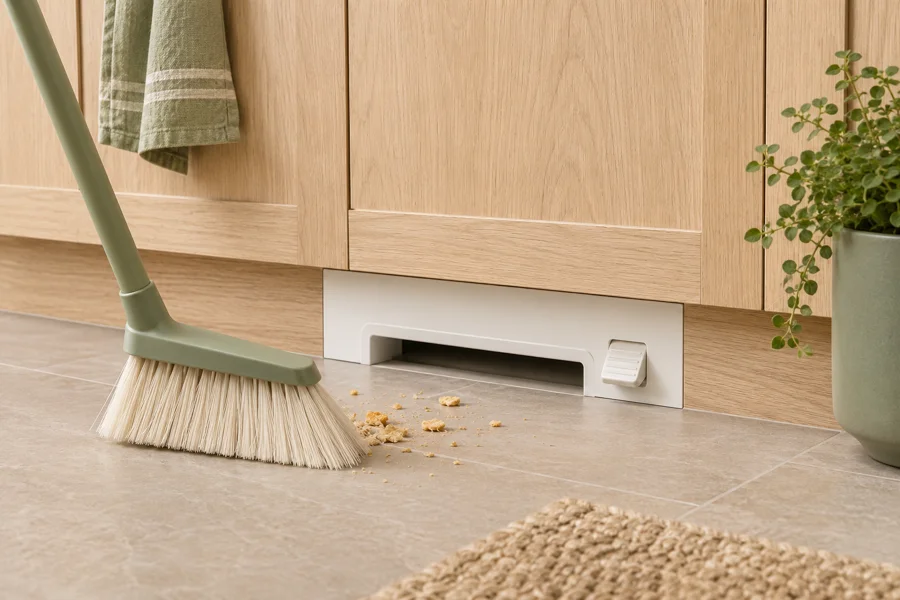
Sweep dry crumbs toward a toe-kick vacuum pan beneath the cabinet. Activate the inlet to collect them through the central pipe network.
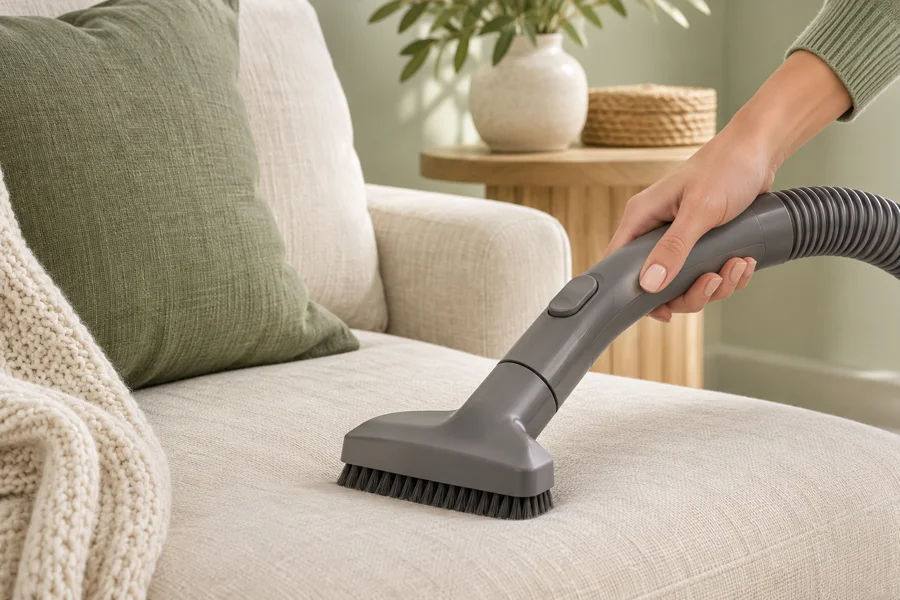
Switch to an upholstery tool, dusting brush or crevice nozzle for cushions, stair edges and awkward corners. Check hose reach on each floor.
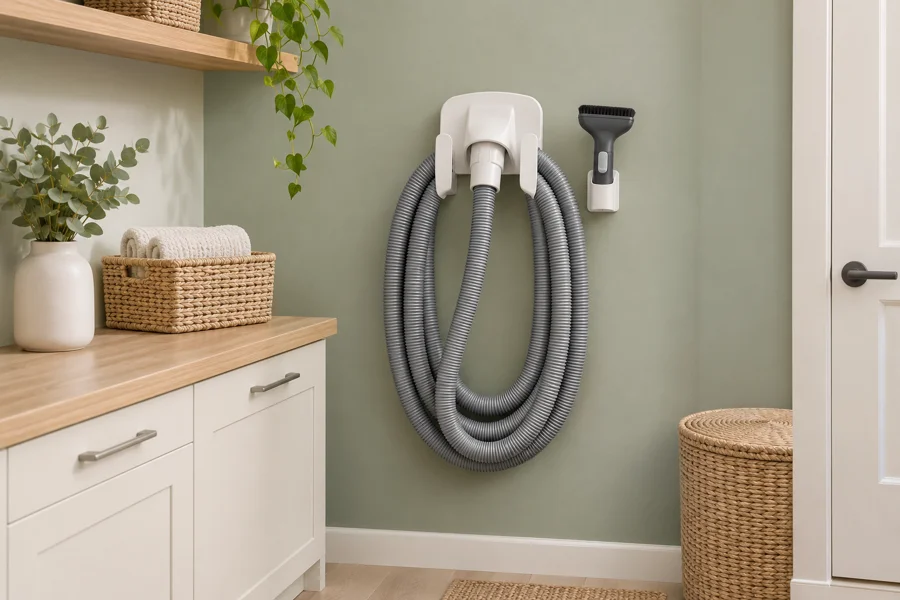
An auxiliary hose provides a convenient cleaning point for hair, dust and small dry debris. A suitable garage or car-cleaning point can also be planned where feasible.
We review hose reach around furniture, access between floors and suitable locations for the power unit. The final layout and accessories are selected for your property.
Accessory compatibility varies by system. Use dry-only hoses for dry debris; liquid pickup requires a compatible wet-and-dry system.
Apartments to commercial buildings. Each unit sits out of sight in a utility, balcony or garage - only the inlets show in your rooms. Share your floor plan on WhatsApp for sizing and pricing.
The compact residential power unit for apartments, studios and small villas. The Eco Smart adds a smart digital display with PLC control and IoT monitoring.
The high-suction three-phase unit for large homes, villas, institutes and commercial buildings. Larger 7.0 and 10.0 models extend the series for bigger projects.
The fully automatic single-phase unit: collected dust discharges straight to the drainage line, so there is no canister to empty. A collection sensor and IoT come built in.
Machine images show the illustrative Benvek concept used in the homepage hero; they do not depict the specific CVAC models listed. Specifications remain references from CVAC series manufacturer material (Homevac, homevac.in). Benvek availability, final models and pricing are confirmed per project by the Benvek engineering desk.
The hose lives inside the pipe itself - pull out what you need, and suction draws it back in when you finish.
Ask About Hide-A-Hose →Installed flush under kitchen cabinets or vanity kickboards. Tap the switch with your foot and sweep crumbs directly into the vacuum slot - no dustpan needed.
Ask About VacPan →Brush attachments for sofas, mattresses, curtains and corners, soft horsehair brushes for delicate floors, and high-reach dusting wands.
Ask About Cleaning Kits →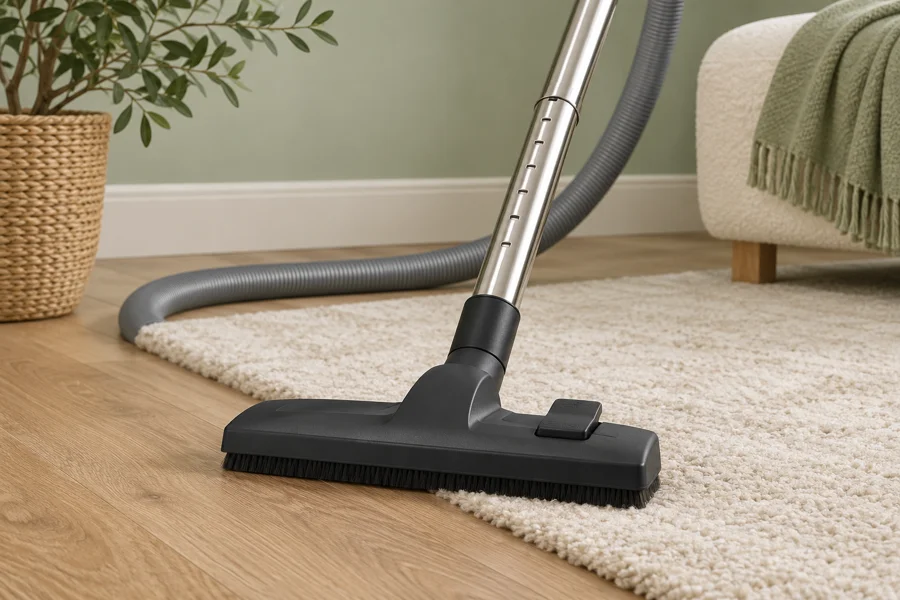
Floor and carpet brushes ride the same hose - no second machine for rugs.
Ask About Brushes →Wall-mounted stretchable auxiliary hoses for dressing tables, mudrooms and car-portico dry vacuuming, with instant one-handed trigger activation.
Ask About WallyFlex →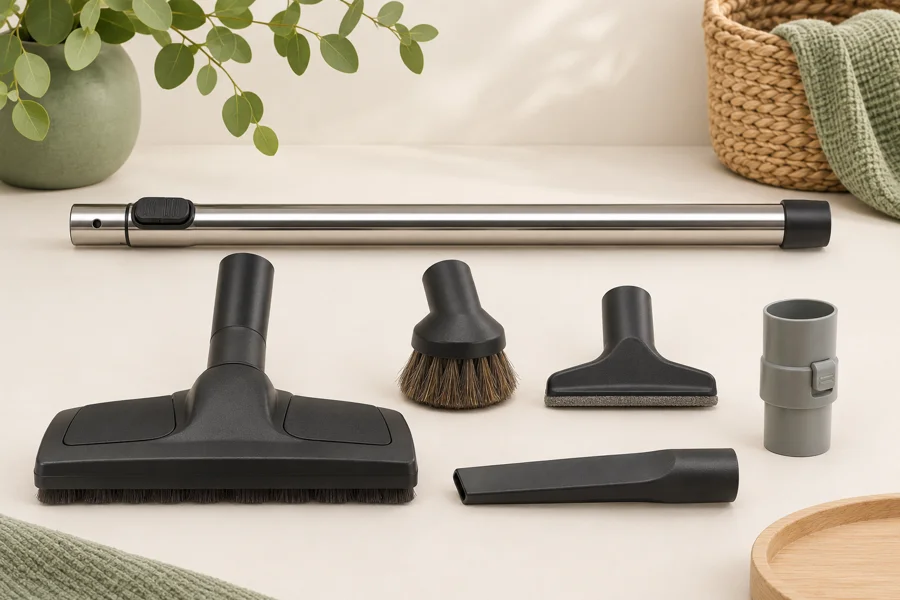
Extension pipes, floor brushes, round brushes and crevice nozzles cover floors, sofas, curtains and corners. On wet & dry models, liquid spills go down the same inlet.
Ask About Accessories →Central vacuum systems are configured per project; accessory availability and final specifications are confirmed by the Benvek engineering desk.
Vacuum piping is routed inside walls or above the false ceiling before plaster and paint, inlets are placed on the electrical drawings, and the power unit gets its utility or balcony corner.
Plan Inlet Points →Full concealment is harder once the home is finished. Partial retrofits - a power unit in the utility with inlets along accessible routes - are sometimes possible, and are confirmed only after a site assessment.
Request a Site Assessment →The machine travels with you
Only a hose and brush in your hand
A few decisions make all the difference to how your system fits the home—and how you look after it.
Choose an accessible utility or garage location with room for servicing. Check ventilation, exhaust routing and protection from weather for the selected unit.
Voltage, phase, circuit protection and isolation depend on the model. Confirm the electrical requirements against its datasheet before wiring.
Use dry systems and retractable hoses for dry debris. Liquid pickup needs a compatible wet-and-dry unit, hose and accessories.
Follow the selected unit’s manual for emptying, filter care and inspections. The routine depends on its collection system and how much you clean.
Concealed installations are easiest before walls and ceilings close. In a completed home, available routes determine whether a practical retrofit is possible.
Allow access to the unit and collection container. If suction changes or a blockage is suspected, arrange an inspection rather than forcing objects through the piping.
Your final scope includes the selected unit, compatible accessories, inlet layout and installation provisions. Benvek confirms these for your property before execution.
Both kinds exist. Wet & dry models pick up liquid spills - some can drain them away automatically - while dry-only systems and retractable in-wall hoses are for dry dust. The choice of power unit decides this, so mention it when you enquire.
The CVAC Eco range and the fully automatic unit run on standard 230 V single-phase supply. The larger CVAC 3.0 and 5.0 machines need 415 V three-phase. Your electrical provision is checked at the layout stage.
The power unit sits in the utility, balcony or garage, so the room hears mostly airflow at the hose. The units listed here carry published sound levels of 70-72 dB measured at the machine (78-80 dB for the largest commercial models); what you hear depends on the unit, its placement and the installation.
They travel through the pipe to the canister at the power unit - which is why canisters are sized from 12.5 to 100 litres and need emptying only every few weeks. The fully automatic model skips emptying entirely: dust discharges to the drainage line, and a sensor watches the collection level.
It depends on the floor plan: each wall inlet serves the area its hose can reach, and retractable-hose points cover a larger radius from fewer locations. Share your floor plan with Benvek and the inlet positions get marked on it.
Concealed piping is easiest before plaster and false ceilings close. In finished homes, partial retrofits - for example a unit in the utility with a few inlets along accessible routes - are sometimes possible. Feasibility is confirmed only after a site assessment.
Benvek can suggest inlet positions, piping routes and the right power unit for it. Email hello@benvek.com or call / WhatsApp +91 99081 80953.
Plan hose reach from each wall inlet and identify a suitable power-unit location. Coordinate the fixed pipe network before walls and ceilings close. For an existing apartment or villa, check practical routing and service access before confirming a retrofit.
Compare the selected power unit, pipe network, inlet system, hose, tools and site work. Multi-floor layouts and longer routes can change the scope. Send your floor plan so the quotation reflects your property and cleaning requirements.
Keep the collection unit accessible and follow its instructions for emptying and filter care. Inspect the hose and cleaning tools. If suction drops or a blockage is suspected, arrange a service check rather than forcing objects through the pipework.
The quotation depends on the power unit, property layout, pipe length, number and type of inlets, hose system, accessories and installation work. Benvek reviews the floor plan before confirming the equipment and scope.
Empty the collection container and clean or replace filters according to the selected unit’s instructions. Inspect the hose, tools and accessible inlets, and keep the power unit accessible. Have changes in suction or suspected blockages checked by a service technician.
A suitable central vacuum unit and compatible cleaning tools can collect dry pet hair from floors and furnishings. Confirm the intended debris, filtration, collection method and maintenance requirements with Benvek before selecting equipment.
Benvek central vacuum systems are designed and manufactured in North America. Benvek coordinates the installation layout, supply and installation for projects in India.
Benvek plans central vacuum systems for villas, bungalows, apartments and suitable pet-shop applications. The design depends on hose coverage, pipe routes, debris type, unit capacity and an accessible service location.
It may be possible if a practical pipe route and suitable power-unit location are available. A floor-plan and site review are needed before confirming a retrofit.
A planned installation can include a power unit, fixed vacuum pipes, wall inlets, hose and selected cleaning tools. The final quotation confirms the unit, accessories, inlet positions, exhaust arrangements and installation provisions.